Why the same heatwave hit every European grid differently
Three weeks of record heat stress-tested every European power market at once. Germany cleared at €747/MWh, Belgium set an all-time record at €1,038/MWh, France burned oil-fired backup. Spain, the market critics called oversupplied on solar, never broke €186/MWh. The split is now the shape of European power.
BY GUEST CONTRIBUTOR PUBLISHED 8 JULY 2026
9 min read
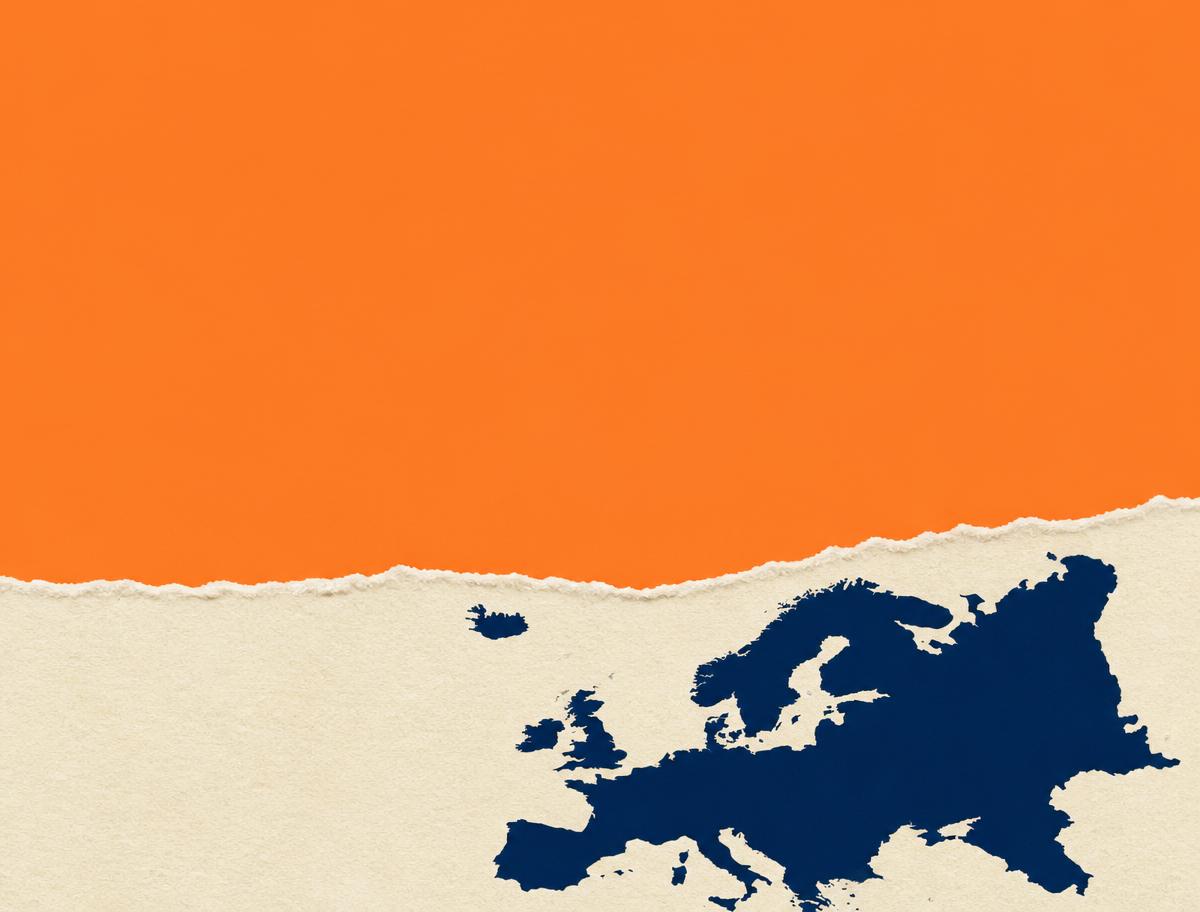
Europe's power markets just got a preview of the 2030s. Three weeks of the most severe heatwave on record didn't just push temperatures past national records in France, Hungary and the UK, they stress-tested every power grid on the continent at once, and the results say more about where Europe's energy system is exposed than any climate scenario report could.
Why heat breaks grids
Heat is deceptively hard on power systems. Demand climbs as air conditioning kicks in. Rivers used to cool nuclear and thermal plants run warmer, forcing output cuts exactly when they're needed most. Wind drops in the stagnant air that produces these heat domes. And solar, Europe's biggest new source of capacity, fades every evening just as the heat-driven demand peak arrives. Put those four things together for three weeks running, and you get a live experiment in which grids can absorb a shock, and which ones pass it straight through.
Germany: when the evening ramp has nothing left to cover it
Germany failed that test on 24 June. Day-ahead prices spiked to €747/MWh that evening, roughly seven times a normal June price, with a single-day spread of €683 between the cheapest and most expensive hour. That's not a rounding error; it's the market signalling that gas, imports and storage together couldn't cover the gap once solar output collapsed for the evening.
France: what nuclear does when the rivers run too warm
France's stress showed up differently. Its grid is built around nuclear, normally cheap and reliable, except when the rivers used to cool it run too warm, which is what happened this June. Grid operators responded by firing up oil-fired backup generation at seven times its normal level, a technology most of Europe treats as a last resort. Day-ahead prices followed, hitting €433/MWh with a €353 spread. The number that matters here isn't the price, it's what the system had to burn to keep the lights on.
Belgium: the record that captures how tight things got
Belgium had it worst. On the evening of 24 June, the market cleared at €1,038/MWh for a single 15-minute window, an all-time record. Gas plants ran flat out; imports from an already-strained France and Germany weren't enough to close the gap. If you wanted one number to capture how tight Europe's grid got that week, this is it.
Spain: the "oversupplied" grid that turned out to be the hedge
Spain, by contrast, barely noticed. Its day-ahead price never broke €186/MWh over the same three weeks, the calmest major market in Europe, sitting €14–60/MWh below France, Germany and North Italy throughout. That's not luck. Iberia's grid leans on solar and hydro, which absorb heat-driven demand without asking gas or heat-stressed nuclear plants to do more work. When the sun is the thing driving demand up, a grid built around the sun turns out to be a hedge, not a liability, the opposite of what critics of Spain's "oversupplied" solar buildout have argued for years.
What it meant for household bills
That gap didn't stay in the wholesale market. It reached household bills, just unevenly. Take a single Wednesday: 10 June, an unremarkable early-summer day, against 24 June, the heatwave's peak. The wholesale cost of powering an average home for a day rose from roughly 26 cents to 67 cents in Spain, from 33 cents to €1.81 in France, from €1.26 to €2.11 in Germany, and from €1.05 to €2.45 in Belgium. A household in Antwerp on a dynamic tariff running the air conditioning during that evening window paid several times the normal rate for those specific minutes. A household in Munich on a standard fixed-price contract felt none of it, not yet, anyway. The heat hit the grid before it hit most people's wallets, and whether it eventually does depends entirely on what kind of contract they signed.
The takeaway
That's the real story of this heatwave, and it isn't really about the weather. As heatwaves stop being an anomaly and start being a summer feature of the European climate, they're becoming a recurring stress test for the continent's power markets, and the results are splitting Europe in two: grids that absorb the shock, and grids that pass it straight through to whoever is paying the bill that hour. That split will shape where the next wave of flexible capacity, storage and demand-response gets built, and which countries end up exporting resilience instead of importing risk.
Sources
- Market data: Almena Energy
- Heatwave severity & temperature records: World Weather Attribution; UK Met Office; Météo-France
- French backup generation: NV.ua / Bloomberg
- Belgian price record: AleaSoft
- Household consumption benchmarks: CNMC (ES), ADEME/ENEDIS (FR), BDEW (DE), CREG/Eurostat (BE)
You finished the piece
What do you want to do with it?
Share it with AI, or rewrite it for your channel, in one place.